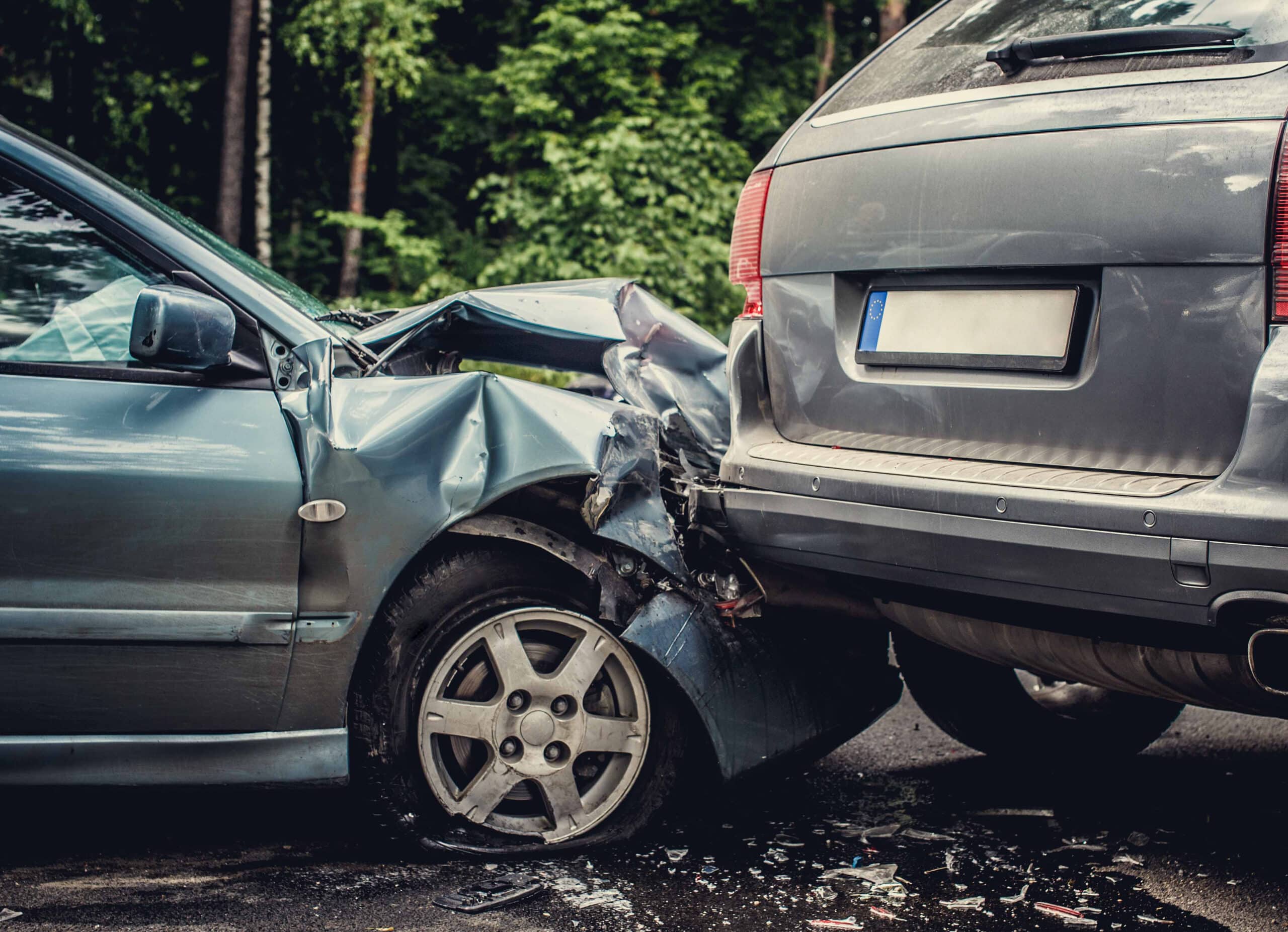

Although rear-end collisions often suggest clear fault, defendants and insurers may dispute
liability. To build a strong case:
- Evidence collection: photos, dashcam footage, traffic camera downloads, police reports,
vehicle damage pattern, and witness statements help establish causation. - Event factors: following distance, sudden stops, brake lights, weather conditions, and
mechanical failures can affect liability analysis. - Injury patterns: whiplash, soft-tissue injury, seatbelt trauma, and back/neck issues are
common. Consistent treatment and exam findings tie injuries to the crash. - Defense strategies: defendants may claim you braked suddenly, had pre-existing conditions,
or that road hazards caused the collision. Anticipate and refute these with evidence. - Maximizing settlement: document lost wages, medical bills, treatment plans, and intangible
losses. Use specialists (orthopedists, neurologists) when necessary to explain permanency or
surgery necessity. - Comparative fault: even a small percentage of fault assigned to you reduces recovery; an
attorney minimizes this risk through persuasive evidence and witness accounts.